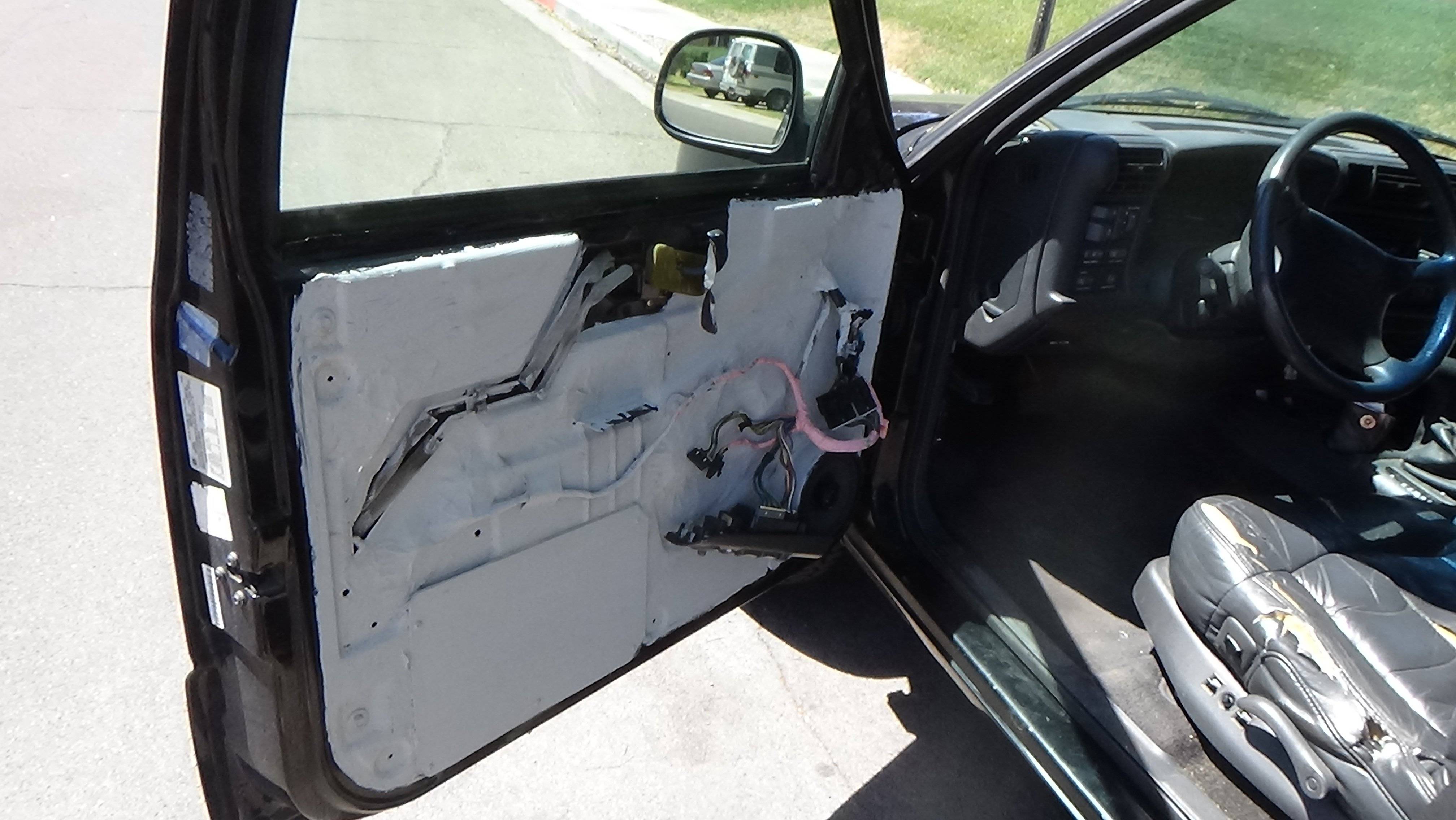
Midbass in the rear is pointless. Midbass is localizable, which is why dedicated midbass is suppose to be in the front stage. Otherwise we'd just let our subs keep pumping out midbass and forgo dedicated midbass altogether.
The advertised frequency response of any given speaker is based on many factors. The manufacturer may say your mids have a freq response all the way down to 35hz (lol btw), but that is entirely install dependent. Don't be a
Crutchfield warrior and think you can design the perfect system based on advertised specs. A properly deadened door will often give a much better midbass response with an average speaker than a door with no or poor deadening housing a superior driver, for example.
To answer the OP's original question of will the component set handle more power with a reduced frequency response, that depends. //content.invisioncic.com/y282845/emoticons/wink.gif.608e3ea05f1a9f98611af0861652f8fb.gif Most component manufacturers are savvy enough to realize their component mids will go in a car door in an infinite baffle configuration. This means, if they are competent, they are looking at mechanical limits over thermal limits in their speaker. The simple answer is, listen for your mids to reach their mechanical limits, and adjust accordingly.