It increases the voltage that is going from the deck to the subwoofer. I know on my Alpine and probably most HUs, the way it works is the lowest setting on the sub control is actually the maximum attenuation point, the highest setting is normal volume, no attenuation. These measurements should be taken with that control at their maximum to get the most output from the sub, otherwise you have zero flexibility to adjust this without instantly introducing a clipped signal into your system before getting maximum loudness from the sub. Set your gain with it at zero then increase it at all you're probably already clipping your amplifier. When you set at max you then have the flexibility to attenuate if your music calls for it.
The proper crossover and EQ settings to get a more accurate reading at the multi-meter are mentioned in the gain tutorial in the amp section. I believe step by step instructions reposted somewhere near the last page. EQ flat, crossovers off or set significantly higher than the test tone frequency, HU volume at its maximum undistorted level or as loud as you think you'll EVER listen to music.
When on the other hand you increase the gain you are lowering the voltage input required for your amplifier to reach maximum output. If it's too high, this is a good thing. If it's just right and you're going for a bit of 'overlap' and you understand the concept and how to do it right, still not a bad thing. If it's already set right and you're notching it higher with no understanding of the situation other than that you want more loudness, well... refer to your other post about smelly subs.





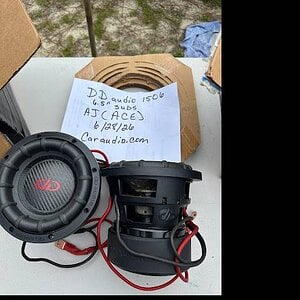


 For Sale Sky High Car Audio 6x9" Neo Mid-Bass Woofer Pair BNIB!