The impedance of a circuit is affected by how each of the loads are wired. Think of impedance like resistance to the flow of current. Picture a single resistor placed between an amps + and - terminals. All of the current must flow through that resistor. Now say you add another resistor, if you wire the loads(the resistors) in parallel, you provide two separate paths for the current to go. Assuming both resistors have the same impedance, you have now cut the total resistance in half, because the current has two paths instead of one, making it easier to flow through. But, say you wired them in series, now the current must go through BOTH resistors, making it TWICE as hard to flow. Does that make sense?
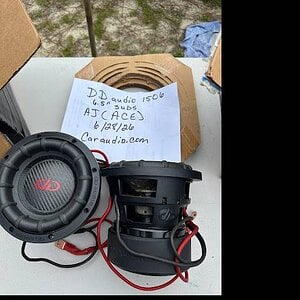
When wiring resistors with identical resistances, wiring them in parallel cuts the resistance in half, but wiring in series doubles the total resistance. Now think of the speakers as resistors whos resistance is called impedance. A DVC speaker is simply 2 separate resistors(not really, but it helps to picture it that way to simplify the calculation of your impedance). This is a really dumbed down explanation, but I think it helps to grasp the concept.