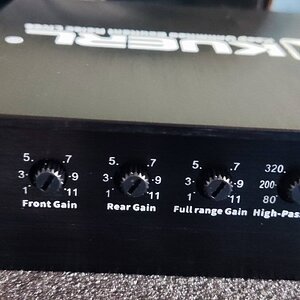
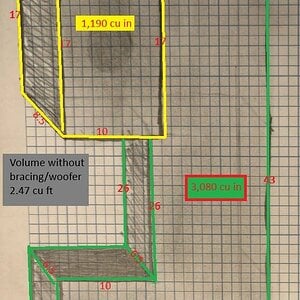
shut up this is CA.COM you have few posts therefore are dumb GTFO he is gunna use monster wire next time and this won't happen
Seriously? Just because I recently joined means I can't know what I'm talking about? I have an electrical engineering degree, I build power amplifiers for my job (Radio Frequency, not audio), and repair car amplifiers on the side. You're saying because he didn't use a certain BRAND of wire that his stuff went up in smoke????
Copper is copper... whether its monster, knu, kicker, welding cable, lamp cord, whatever. Only differences are generally the jackets they use around it and the strand count. Both of those things contribute to the flexibility of the wire, nothing else (at audio frequencies)! If you have the same volume of copper and a jacket that's flexible enough for what you need, brand is irrelevant. Now if you use too small of a wire, that can cause issues. It doesn't matter if its 8 gauge walmart cable or 8 gauge monster as long as the volume of copper (or cross sectional area) is the same.
I have a nice zapco amp im gonna try and fix I think I know what I did wrong. But the crossfire is toast! I have to start some where dont I?
I would not try to fix a zapco if this is one of your first times doing this. Zapco makes some really nice stuff, I wouldn't experiment on a nice amp especially if you have others laying around. You can sent those to zapco directly for fairly cheap (~$65 + shipping) for repair. What model is it? I'll even trade you a working amp for a broken zapco //content.invisioncic.com/y282845/emoticons/smile.gif.1ebc41e1811405b213edfc4622c41e27.gif
I dont know man but im gonna have to try it again. Or what would you do?
The most common things that go out on amplifiers (in order) are:
1. Transistors (either power supply or output stage) along with their associated gate resistors
2. Capacitors (usually due to #1 if they do go)
3. Anything else.
The rule is replace with an equivalent part or better... never just omit a part. BCAE has a great beginners tutorial...
http://bcae1.com/repairbasicsforbcae1/repairbasics.htm