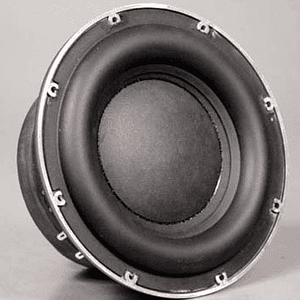
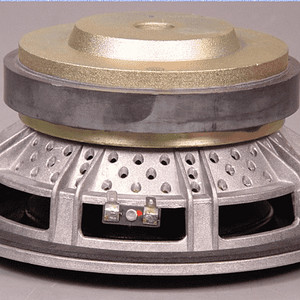
Ok, In my search for a good sub amp, I have basically decided one of these 3 are gonna be it. The sub in question is an older Diamond Audio sub, 12" comparable to the tdx's if I recall correctly, 150w RMS in approx 1.75 or so cubic feet (sealed). First up to bat is the Us Acoustics USA 2100 amp. Here are the specs:
USA2100
OUTPUT POWER
Per channel @ 4 Ohms
@ 12.9v input 100Wx2CH
Per channel @ 2 Ohms
@ 12.9v input 150Wx2CH
Bridged Mono @ 4 Ohms
@ 12.9v input 300Wx1CH
TOTAL HARMONIC DISTORTION Less Then 0.01%
NOISE below rated output 104 dB
SLEW RATE 20 volts/microsecond
PHASE RESPONSE Lagging 12 Degrees at 20 kHz
INPUT SENSITIVITY 100 mV-2.2 Volt
INPUT IMPEDANCE 56 Kilo Ohm
DAMPING FACTOR Greater than 100
PROTECTION
Reverse Polarity Yes
Thermal Yes
Short Circuit Yes
D.C. Yes
IDLE CURRENT 0.6A
FUSE RATING 35A
SIZE inches (mm) Length 11.4 (290)
Width 6.3 (160)
Height 1.9 (47.3)
WEIGHT lbs. (kg) 9.02 (4.1)
Cost is $130 plus tax, locally.
Next up is the Hifonics Nemisis. Specs:
General Specifications
* RMS Power Range : 150-300 Watts
RMS: Root Mean Square is a formula that provides a reasonably accurate means of measuring and comparing continuous AC power. The use of this measure is preferred when matching system components, like amplifiers and receivers.
* Number Of Channels: 2
Number Of Channels: Common name for a complete amplifying stage in any audio amplifier. Most amplifiers are denominated as 1, 2, 4, 5, or 6 channel units. Each of these is a discrete audio amp on its own, capable of taking a small line signal input and amplifying it sufficiently to be heard on an appropriate speaker. Some amplifiers are capable of bridging two channels together, to form one channel of double the power of each separately. The manufacturer's instructions differ widely on how to accomplish this, and each must be followed exactly.
* Maximum Power: 600 Watts
Maximum Power: The amount of power a speaker is estimated to handle during a brief high-intensity musical burst. Since this can vary with both frequency and amplitude, it is a much less accurate way to judge speaker durability and performance than RMS.
* Built In Crossovers: Yes
Crossover: A device or passive circuit used in systems with separate tweeter and/or midrange Drivers. It Rolls Off frequencies above and below certain points in the range, to allow the sound to be tailored for the specific driver to which it is sent. Most speakers have crossovers that consist of passive elements such as capacitors, coils, and resistors to separate the various frequencies. In a bi-amped or multi-amped system, the crossover is an active device that feeds the various frequency bands to the inputs of the amplifiers that operate the individual drivers.
* Channel Separation: Yes
Features
* 150W x2 @4 Ohms
* 300W x2 @2 Ohms
* 600W x 1 @4 Ohms
* Hofonics Twentieth Anniversary Heat Sink Design
* Ultra - Fi Mosfets
* SPC - Simpatico Coil Design
* HSMD - Hifonics Surface Mount Design
* Fully Adjustable Accu - Cross - Crossovers
* PWM Mosfet Power Supply
* Line Output for Amplifier Daisy Chaining
* Variable Bass Equalization
* Sub - Sonic Filter
* 4 Gauge Power Connectors
* Additional High Speed Mosfet Output Devices
* Maxi - Fuse
* Dimensions: 14.9" L x 10.4" W x 2.4" H
Price is $150 Locally, plus tax.And last but not least is the Xtant class D mono amp. Specs:
Specifications
Number of Channels 1
Watts per Channel 4 Ohm 150
Watts per Channel 2 Ohm 300
Bridged Mono @ 4 Ohm n/a
Features
# Regulated Transitional Class D Technology
# Fully Regulated PWM Power Supply
# N-Channel MOSFET Design
# Defeatable Balanced Input
# Continuously Variable 24dB/Oct Low Pass Crossover 40-120Hz
# Continuously Variable 24dB/Oct Subsonic Filter
20-80Hz
# Variable Bass Boost at 45 Hz 0-12dB
# RLC Connector
# 2 Full Range RCA Outputs
This one goes for $99 shipped off of ebay.
Also keep in mind that Another factor that will play into this decision is future expansion of my system. In other words, I''ll be upgrading the mids and highs one deay, and will want another amp from the same company to run them preferable. For the Xtant there is the 2002, and for the us acoustics I could always just get an identical 2100 for the mids and highs. Not sure on the hifonics, but I'm sure they have something comparable.
So thoughts? Recommendations? Suggestions. Rants/raves/slaps upside the head? Thanks so much for any advice!
//content.invisioncic.com/y282845/emoticons/smile.gif.1ebc41e1811405b213edfc4622c41e27.gif
USA2100
OUTPUT POWER
Per channel @ 4 Ohms
@ 12.9v input 100Wx2CH
Per channel @ 2 Ohms
@ 12.9v input 150Wx2CH
Bridged Mono @ 4 Ohms
@ 12.9v input 300Wx1CH
TOTAL HARMONIC DISTORTION Less Then 0.01%
NOISE below rated output 104 dB
SLEW RATE 20 volts/microsecond
PHASE RESPONSE Lagging 12 Degrees at 20 kHz
INPUT SENSITIVITY 100 mV-2.2 Volt
INPUT IMPEDANCE 56 Kilo Ohm
DAMPING FACTOR Greater than 100
PROTECTION
Reverse Polarity Yes
Thermal Yes
Short Circuit Yes
D.C. Yes
IDLE CURRENT 0.6A
FUSE RATING 35A
SIZE inches (mm) Length 11.4 (290)
Width 6.3 (160)
Height 1.9 (47.3)
WEIGHT lbs. (kg) 9.02 (4.1)
Cost is $130 plus tax, locally.
Next up is the Hifonics Nemisis. Specs:
General Specifications
* RMS Power Range : 150-300 Watts
RMS: Root Mean Square is a formula that provides a reasonably accurate means of measuring and comparing continuous AC power. The use of this measure is preferred when matching system components, like amplifiers and receivers.
* Number Of Channels: 2
Number Of Channels: Common name for a complete amplifying stage in any audio amplifier. Most amplifiers are denominated as 1, 2, 4, 5, or 6 channel units. Each of these is a discrete audio amp on its own, capable of taking a small line signal input and amplifying it sufficiently to be heard on an appropriate speaker. Some amplifiers are capable of bridging two channels together, to form one channel of double the power of each separately. The manufacturer's instructions differ widely on how to accomplish this, and each must be followed exactly.
* Maximum Power: 600 Watts
Maximum Power: The amount of power a speaker is estimated to handle during a brief high-intensity musical burst. Since this can vary with both frequency and amplitude, it is a much less accurate way to judge speaker durability and performance than RMS.
* Built In Crossovers: Yes
Crossover: A device or passive circuit used in systems with separate tweeter and/or midrange Drivers. It Rolls Off frequencies above and below certain points in the range, to allow the sound to be tailored for the specific driver to which it is sent. Most speakers have crossovers that consist of passive elements such as capacitors, coils, and resistors to separate the various frequencies. In a bi-amped or multi-amped system, the crossover is an active device that feeds the various frequency bands to the inputs of the amplifiers that operate the individual drivers.
* Channel Separation: Yes
Features
* 150W x2 @4 Ohms
* 300W x2 @2 Ohms
* 600W x 1 @4 Ohms
* Hofonics Twentieth Anniversary Heat Sink Design
* Ultra - Fi Mosfets
* SPC - Simpatico Coil Design
* HSMD - Hifonics Surface Mount Design
* Fully Adjustable Accu - Cross - Crossovers
* PWM Mosfet Power Supply
* Line Output for Amplifier Daisy Chaining
* Variable Bass Equalization
* Sub - Sonic Filter
* 4 Gauge Power Connectors
* Additional High Speed Mosfet Output Devices
* Maxi - Fuse
* Dimensions: 14.9" L x 10.4" W x 2.4" H
Price is $150 Locally, plus tax.And last but not least is the Xtant class D mono amp. Specs:
Specifications
Number of Channels 1
Watts per Channel 4 Ohm 150
Watts per Channel 2 Ohm 300
Bridged Mono @ 4 Ohm n/a
Features
# Regulated Transitional Class D Technology
# Fully Regulated PWM Power Supply
# N-Channel MOSFET Design
# Defeatable Balanced Input
# Continuously Variable 24dB/Oct Low Pass Crossover 40-120Hz
# Continuously Variable 24dB/Oct Subsonic Filter
20-80Hz
# Variable Bass Boost at 45 Hz 0-12dB
# RLC Connector
# 2 Full Range RCA Outputs
This one goes for $99 shipped off of ebay.
Also keep in mind that Another factor that will play into this decision is future expansion of my system. In other words, I''ll be upgrading the mids and highs one deay, and will want another amp from the same company to run them preferable. For the Xtant there is the 2002, and for the us acoustics I could always just get an identical 2100 for the mids and highs. Not sure on the hifonics, but I'm sure they have something comparable.
So thoughts? Recommendations? Suggestions. Rants/raves/slaps upside the head? Thanks so much for any advice!
//content.invisioncic.com/y282845/emoticons/smile.gif.1ebc41e1811405b213edfc4622c41e27.gif