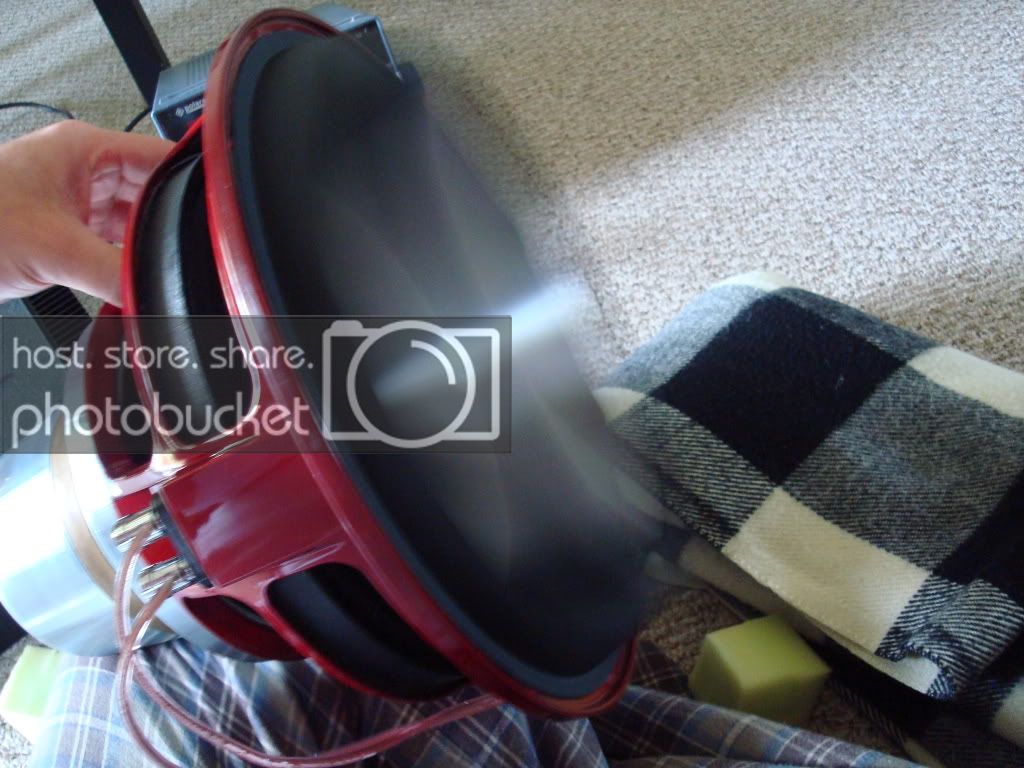
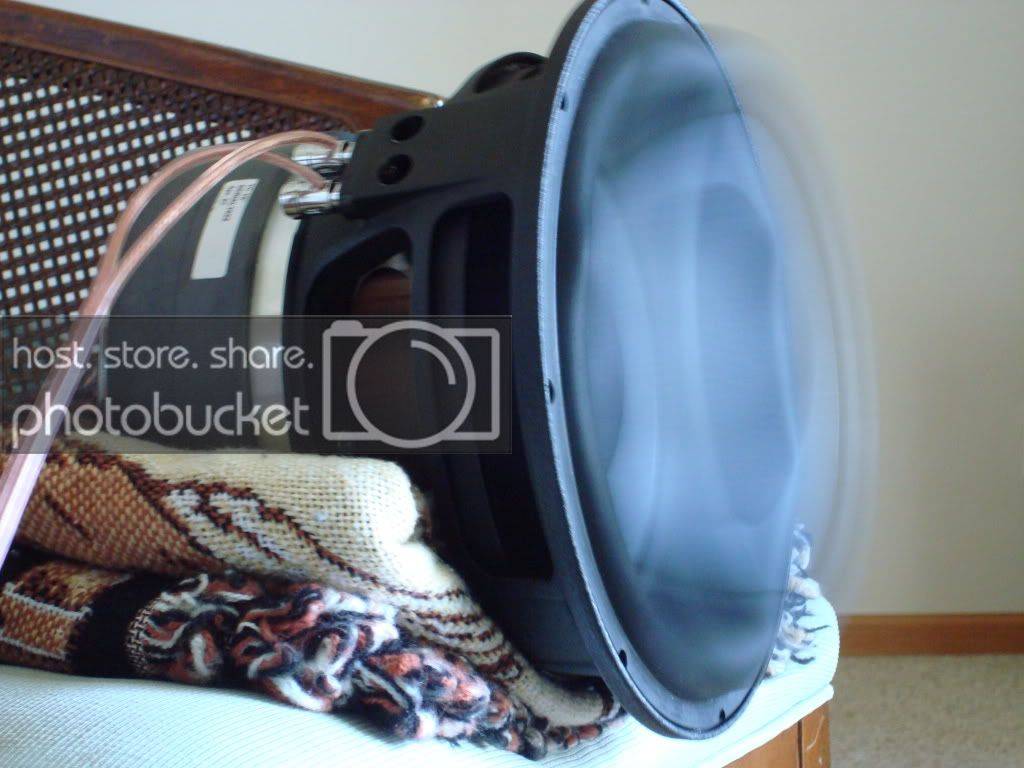
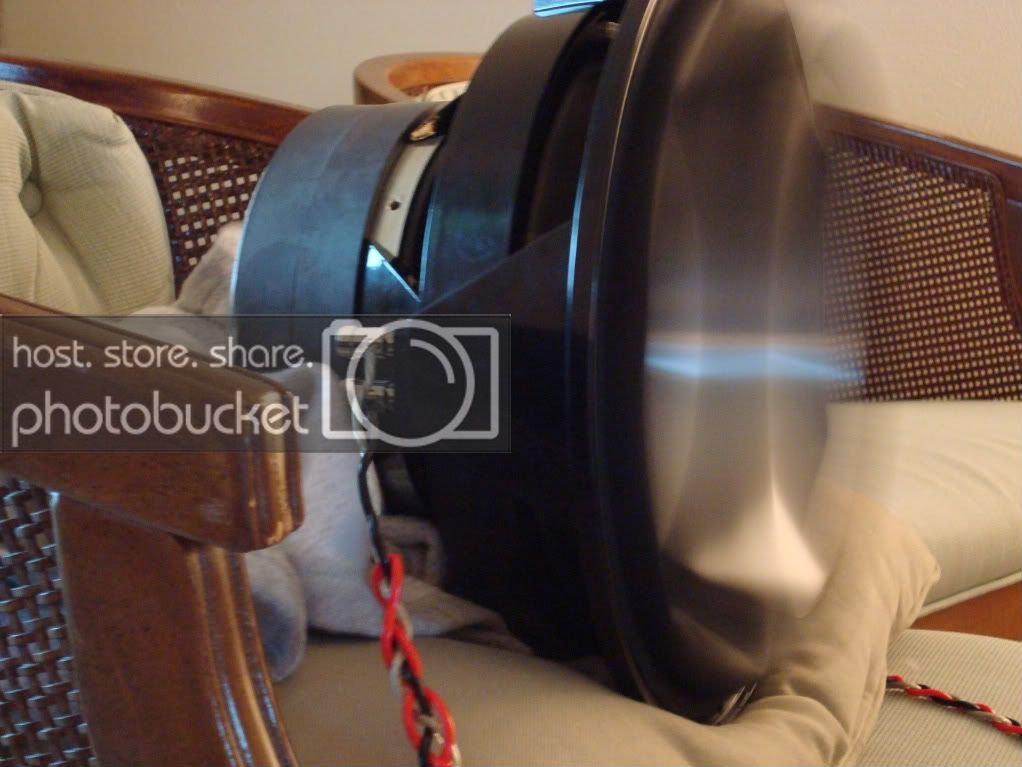
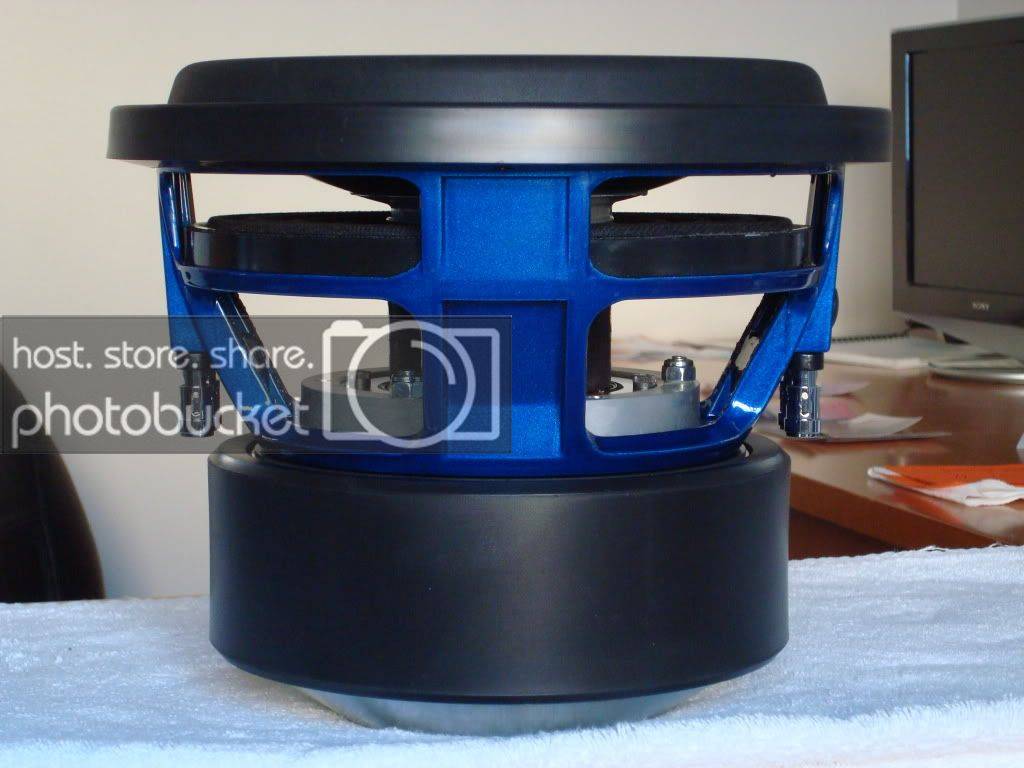
My understanding (and experience) is that high roll surrounds are very linear within their intended range but do not provide a linear compliance profile once they reach a certain point of travel. That is, the restoration force being applied for the inward stroke differs from the force being applied for the outward stroke, after the non-linear range is exceeded. This is the non-linear behavior most are describing.
It is a fact that every single surround no matter what size, shape, or material, will deform and buckle when reaching the extremes of travel. I can make my half roll surrounds do it just as easily as my high roll surrounds. The difference is that it takes far longer for a high roll surround to do this and it saves the cone/surround joint from being stressed as much as a half roll surround would sustain, for the same amount of travel. The high roll surround also allows for a bit more maximum travel but, as it's been mentioned, this would be less linear and would most likely be for the sake of extreme output or extension. I like to think of it as a safety run-out, a bit of mechanical headroom to allow for huge dynamic swings or even a mistake with the volume knob. Factor in that a high roll surround allows for about 20% more cone area compared to a half roll surround that would allow for the same excursion capabilities and it might make sense to choose the high roll surround even if it's non-linear at the extremes. Basically, it can mean the difference between breaking your driver or listening to it again after an event that led to maximum excursion for whatever length of time.
It's also worth mentioning that a rubber surround will offer better long-term reliability than a foam surround (high roll or half roll) where ripping apart at the cone/surround joint is concerned. The cone might tear away from the surround but the rubber surround itself is not likely to tear like a foam one will as was pictured by woofercooker.