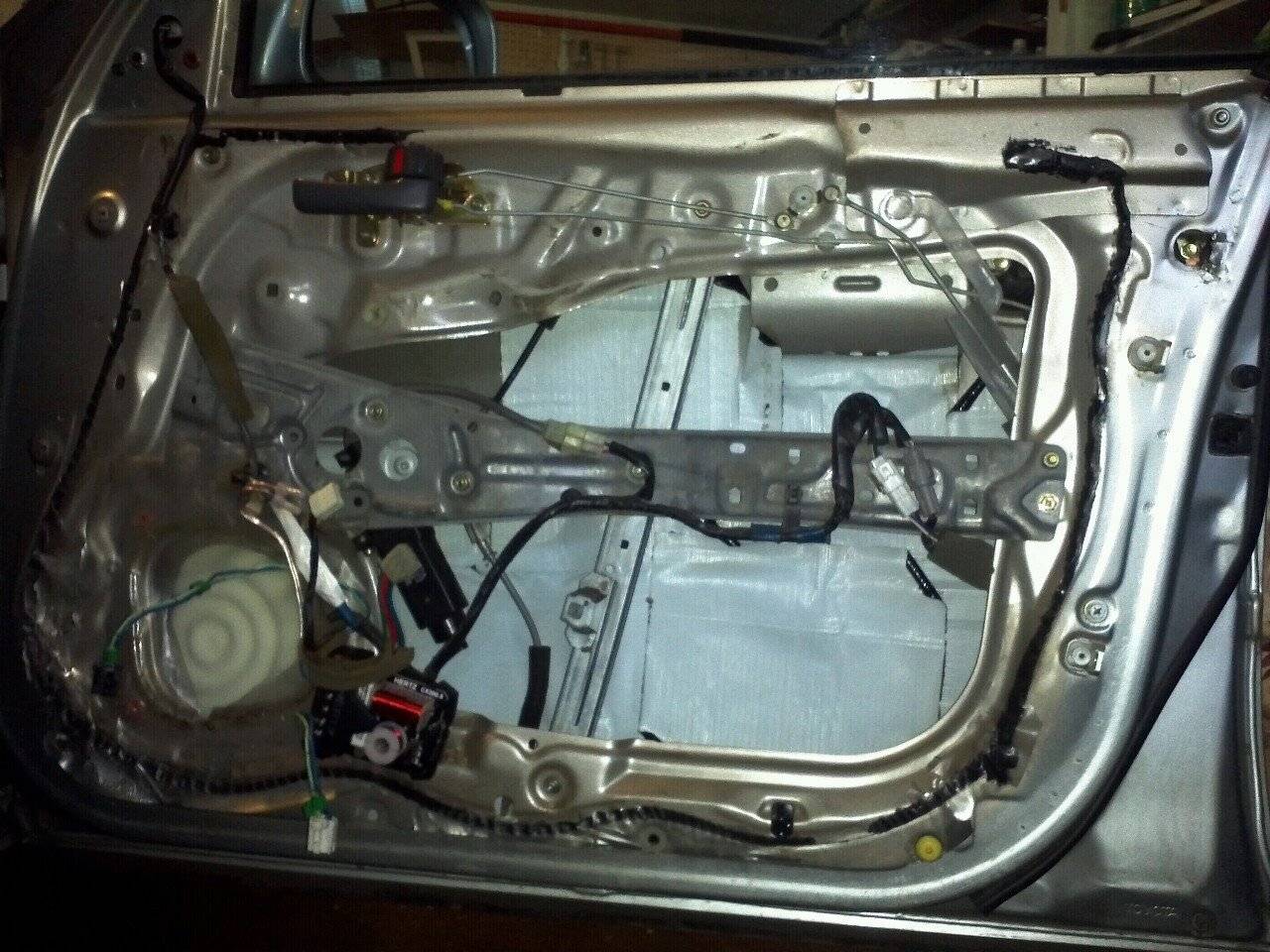
I know with proper time alignment and a strong midbass. You dont need to do that because the midbass blends the bass and moves it forward. I just have a big *** hole in my door and thus my midbass isnt nearly what it should be.
i did an install on a friends honda. Hondas doors are almost an entire sealed enclosure. We were having problems with his bass amp and it was hard to figure out when the bass was hitting or not because he had that much midbass. Think of having two 8in subwoofers in your doors but instead its a 6.5 and it plays midbass. Strong enough midbass blends everything bass and sub bass
Stock paper cone speakers normally dont get that loud vocally but produce full range pretty well so its not midbass you are hearing, its distorted 40-60hz bass also it seems loud but its actually distortion making it seemingly loud and bumping.
You just need more power to your mids and attenuate the tweeters more and seal up that hole. SEAL it up before doing anything I'm about to suggest.
Lets start all over man.
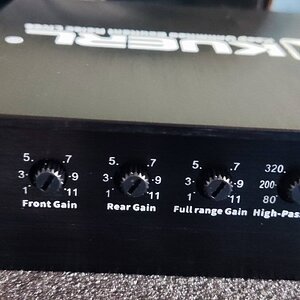
-Flat settings, auto EQ off. Sub woofer off(or -36 db on the Low low pass network). Gain up on the amp more, Go to network 1, select the high high pass filter, then go to network 2 and cut the DB level to -24 db for now
-play the songs that normally sound wrong to you
-set the head unit volume to to the loudest you wanna be at.
-Go to network 1, select the mid low pass filter, go to network 2 and extend to the 3.5k/4k/5k range, go between 12 or 24 db slope and choose depending on what sounds better. If you hear the mids bleeding sharp sibilance in the upper range, you'll now know that it might be comming from the mids and go down in crossover point as needed, if you dont hear it then you can keep it high. With more power, you should be getting more midbass along with your midrange, hertz mids can take quite a bit more power.
-Then go to network 1 and go to high high pass filter then go to network 2 and start increasing the DB levels until it blends and evens out with the midrange and set the crossover point and db slope. (a tip to see the difference between crossover points for the tweeters is, to reduce the level on the mids to -24db and switch out to see what sounds like what with different crossover points and db slopes)
-Turn the subwoofer on/re-raise the db level and set the crossovers until it starts blending with your mids, yes you can go up to 80 or 100hz as long as the output matches the midbass levels, then you are fine.
-Do NOT expect lower midbass from a 6.5 to keep up with a strong substage blaring at max sub output. If you want it SQ and blending, lower the sub's output to match the mids. IF you just wanna jam, then forget about midbass or how the subs bring the soundstage back and just go crazy with the subs to get your spl fix. You cant have your cake and eat it too unless you have bigger/better midbass setup.
NOW that you are all done with the level matching you can either go to auto EQ it up or tune it yourself, remember you are still playing the songs at the loudest level, your ears will hurt but bear with it.
Tuning it yourself:
-Now go to the EQ and start cutting or boosting(max i'd go is +2/3 for midbass region boost) even though it should currently be ear bleeding loud enough for you to want to mainly cut frequencies to even out the sound. Tip: Get used to what each hz range sounds like by completely removing it and seeing how the music sounds without it then bump it high up to see what the music sounds like with too much of it. Use the EQ to your taste
If you want to use auto EQ
- engage in auto EQ then fine tune time alignments and the Equalizer to cut or boost frequencies like the step above ^