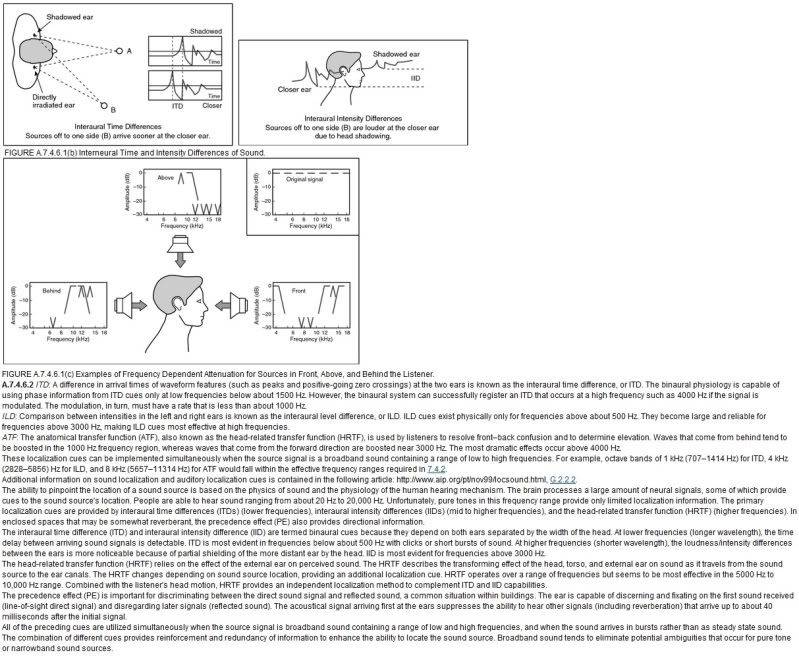
i have found that running a dedicated midrange driver from around 200Hz - 5kHz allows you to cover the entire vocal range without any crossover points - because crossover points are where you run into phase interference, comb filtering, etc. ITD, IID, PLD, and HRTF all play a role in what you hear. good SQ systems address this in both driver placement/installation as well as crossover points. where you put the drivers will also determine what crossover points you should use.
i like a separate midbass driver (60-200Hz) because it takes that excursion out of the midrange. while a full range driver can reproduce a wide range of frequencies, the accuracy drops off as the driver is pushed harder. this is because few drivers are "underhung" and as a result, as the coil moves out of the voice coil gap - you lose control. this means the higher frequencies will be distorted as the driver loses control. a dedicated midbass pretty much solves that problem.
if you don't want to be very loud, then the fewer drivers you have, the better off you are. keep it simple.
but if you want higher volumes, separate drivers are where you'll get that volume AND clarity.
another reason for a dedicated midrange is placement. as i've said before, locating midbass in the kicks is difficult. midbass in doors is easy. a midrange in the kicks is easier as it is smaller (4" typ.) and requires less airspace for the frequency range. with my kick mids and door midbass, 160-200Hz is a good crossover point to keep bass in my sound stage. a crossover point above 200Hz causes my kick drum to move out of my sound stage. that is what my system does as a result of my driver selection/placement. each system is different.
if you have enough midbass, you can increase your sub crossover point. if you have T/A you can overlap midbass and sub so that you keep low bass in your sound stage as well. for example, my midbass have a 63Hz 6dB/oct high pass on them and my subs have a 80Hz 24dB/oct low pass. you cannot locate my subs, as my bass is in my sound stage. if my midbass is weaker, then i have to lower my sub crossover point to prevent localization. and yes, you can localize subs due to harmonics. while they are given frequencies lower than their crossover point, they can reproduce harmonics which you can and will locate.
active crossovers are pretty much required for testing. once you nail down your crossover points, then you could go passive if you wanted. but why waste the power? go active and have slope flexibility.
i'm very happy with a sub/midbass/midrange/tweeter system and i'll keep that recipe for a long time.