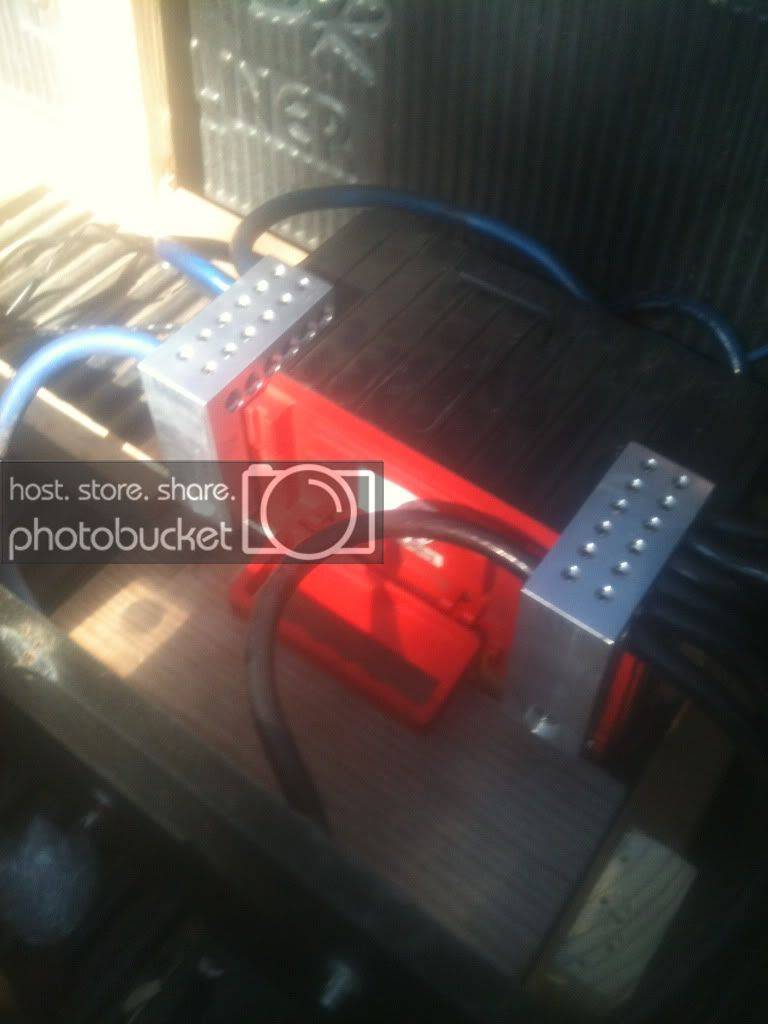
you could., but unless it is visible, a stainless brush will knock down the coat ok. no harm in scuffing better, though. just like when mag brazing aluminum. years back, I've learned about the conductive properties (surface and core) corrosion resistance, thermal limitations, etc. probably the same or similar article. based on actual thorough scientific test data. from what i remember: among most common metals, silver and aluminum rated the highest in conductivity. in fact, aluminum was utilized for half a century in homes and automotive, due to both it's cost, and conductive properties. there would be less of a voltage drop over long runs. however, it's ampacity is real low, corrosion resistance is horrible, and both these factors lead to more of a fire hazard, and short life-span. for example- 1/0, or 2/0, (don't remember which) has a rated ampacity of mere 60a now, copper, is pretty much in the middle of the scale, i believe right above gold, which brings me to the next point. the most surprising thing i have seen to most people, is that gold is altogether not as conductive as you would think. so, why does it make for an excellent terminal/contact coating? well, it's unique properties provide 2 key benefits. first, we all know of it's high corrosion resistance. who has ever seen corroded gold? second, it has an uncanny ability to stick well to itself, literally, the contact it makes forms an electrical bond between 2 pieces, and somewhat of a good bond to other metals. look up magnet wire ratings, and compare the wire resistance of different materials of the same thickness. think about just how short copper mag wire is in a 4ohm coil, and then how long it is in an aluminum coil.edit: i stand corrected. had to go back and look it up, and mag wire rates aluminum lower than copper. 1.6 times more aluminum than copper for the same rating.... i'll have to research more...